
The Jeong Project's ten-day journey gives young people real space to work through the complexity of hybrid identity (intergenerational dynamics, cultural distance, questions of belonging) alongside the joy of cultural discovery.
This isn't a heritage tour. It's identity work, done deliberately, with the support of people trained to hold it.
Our Approach
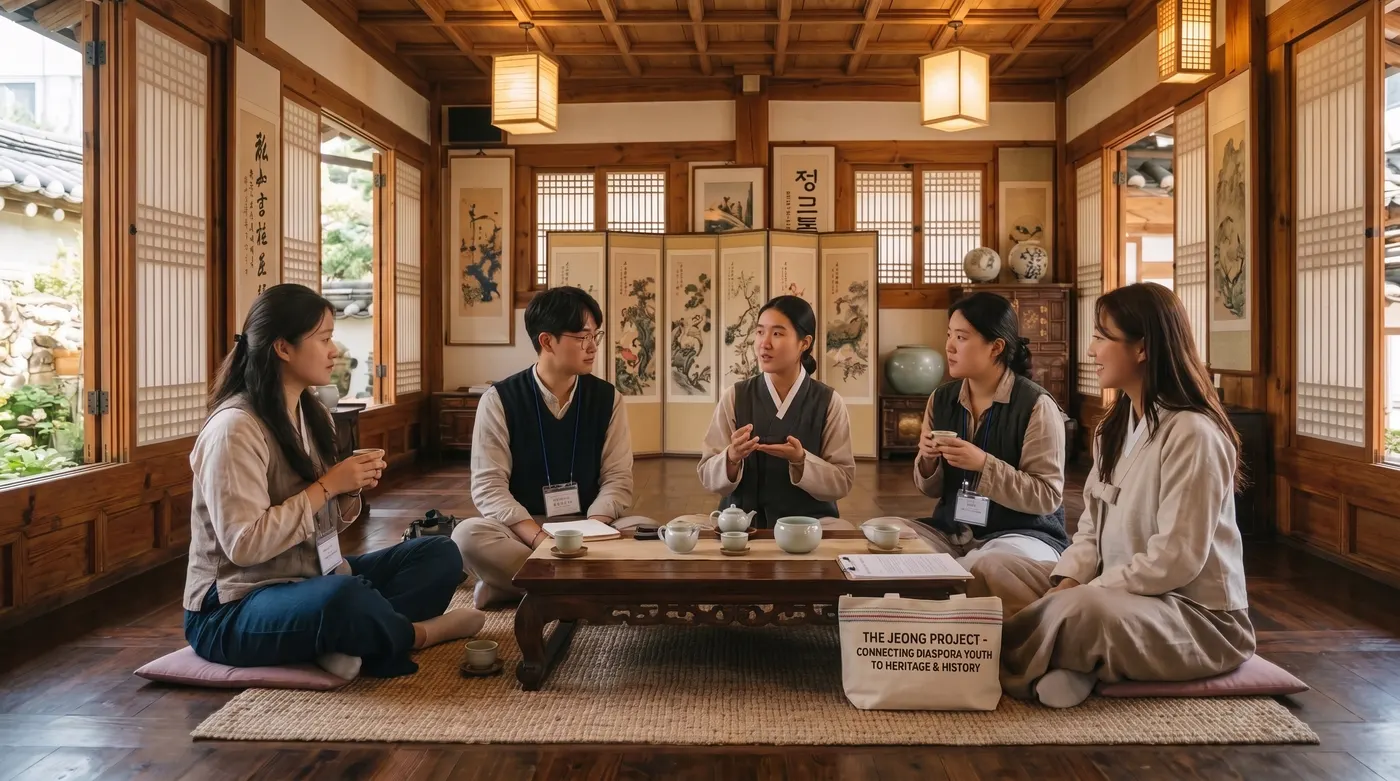
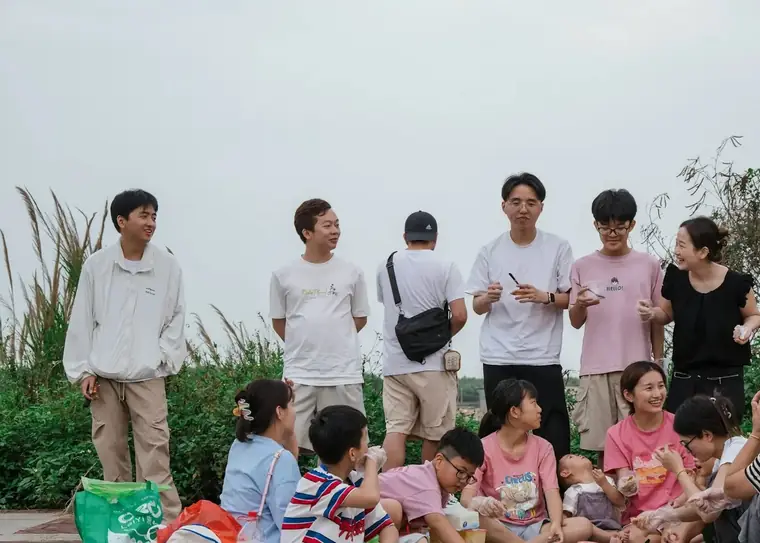
The Jeong Project journey moves through both Korean history and contemporary Korean life, joined by Korean peers who travel not as guides, but as friends: not a lecture, a friendship. The journey holds space for open, honest dialogue about identity, history, family, and what it means to be Korean across a diaspora that spans generations and continents.
Every cohort's ten days looks a little different depending on the season and the group, but all of them center on three pillars:
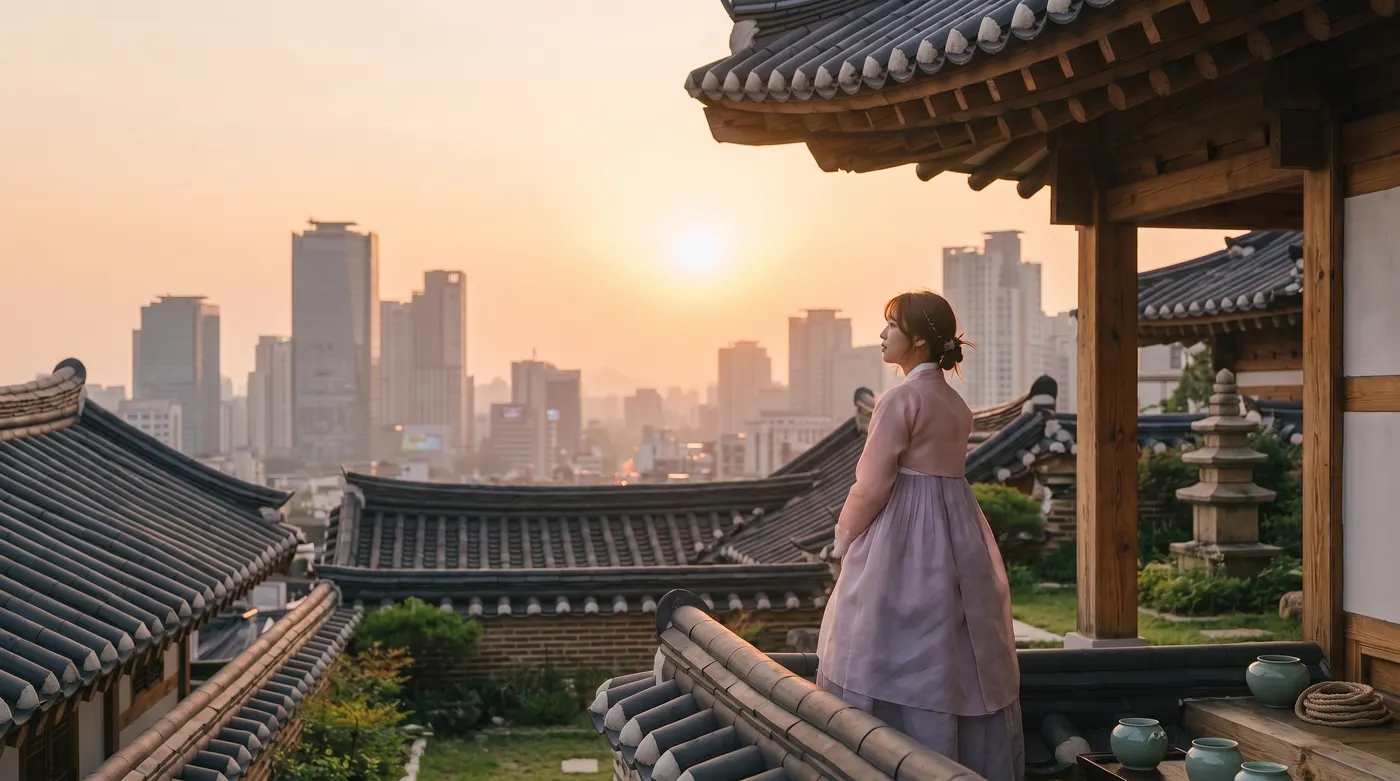
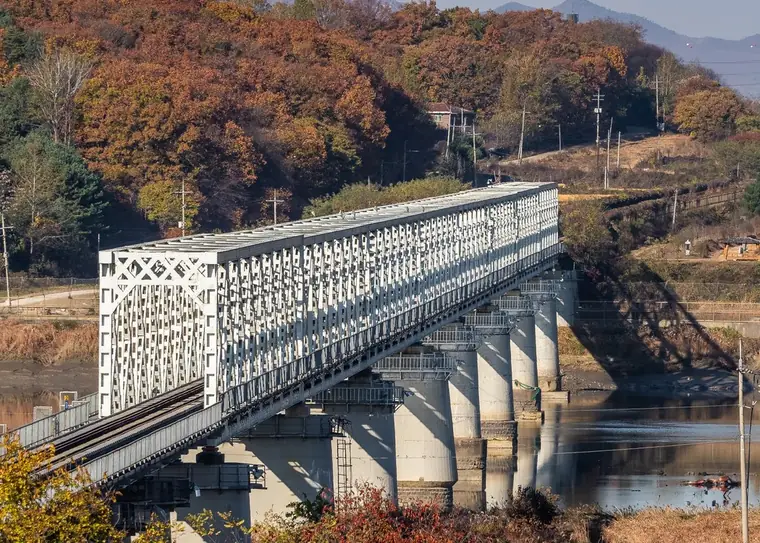
- Narratives of the Korean People. Participants visit a site of Korean cultural heritage, a site tied to the modern nation's founding, a site connected to Korea's natural landscape, and a site of historical memory connected to the Korean War, the DMZ, and the divide that followed. History here isn't background information: it's the ground participants are standing on.
- Contemporary Korea. Through visits to organizations, institutions, and businesses, participants engage directly with Korean society and governance, arts and culture, and the innovation, technology, and global media reshaping the country today. Modern Korea is treated as seriously as historical Korea: both are part of the same story.
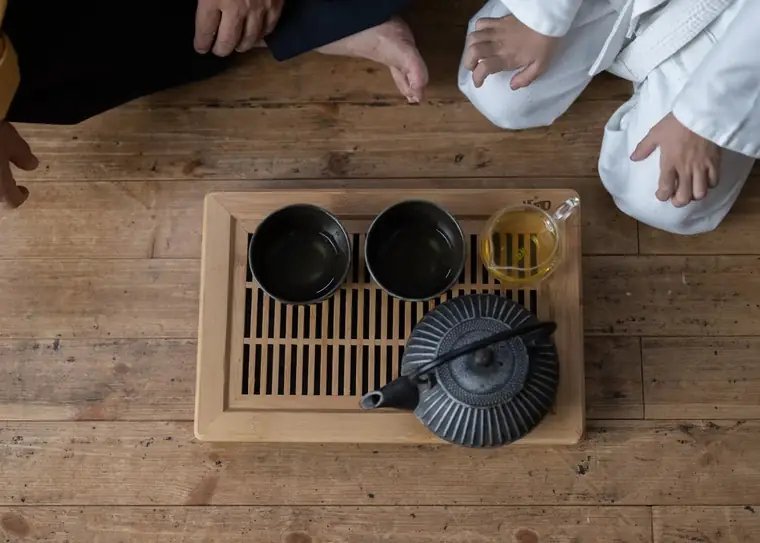
- Ideas and Values of the Korean People. The group shares meals and rituals together, including hanbok and tea ceremony, the traditions that turn a fact you've read about into something you've done, and forms a cohort bound by mutual responsibility, the beginning of the group crystallization that continues long after the trip ends. Group members engage directly with jeong (정), han, and the living, spoken Korean language, not as vocabulary to memorize but as something to practice.

The Pillars of Identity: Han and Jeong
Understanding the Korean experience means sitting with two ideas that run underneath all of it: han and jeong. They're the emotional keys to the history above, and they shape everything the program is built to do.
A collective ache, and the drive it produces
Han is a distinctly Korean construct: a collective sense of sorrow, resentment, and injustice, built up over centuries of invasion, colonization, and the tragedy of war. It isn't just sadness: it's a deep, resilient ache, and it's part of what has driven the Korean people to strive, to succeed, and to prove their worth to the world.
The bond that holds against it
Jeong is han's counter-balance: a deep, often unspoken bond of affection, community, and attachment that connects people to one another. It's a large part of why, despite everything han carries, the Korean people and diaspora remain so intensely community-oriented and connected across the globe.
Four mechanisms, working together
Every mechanism below is built to hold both at once: giving participants room to sit with han honestly, while building the jeong that carries them through it.
Storytelling
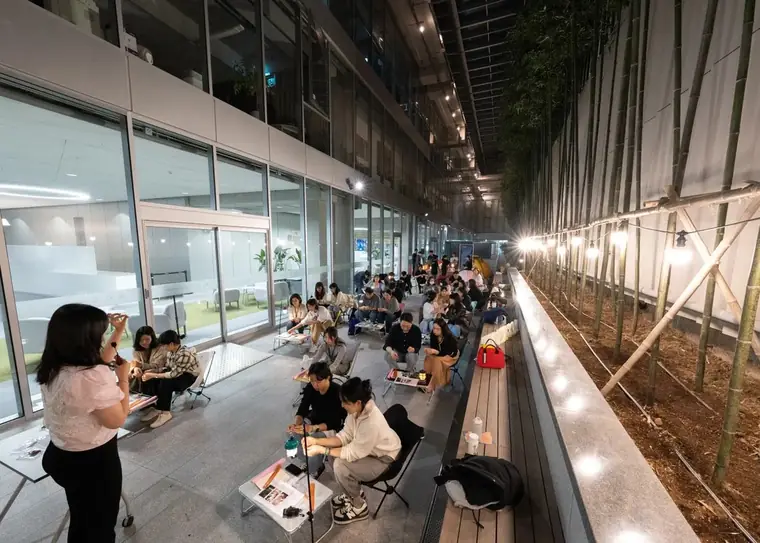
Participants hear and share personal, family, and national narratives that connect individual identity to a larger collective history. A single family story, placed alongside Korea's broader history, starts to feel like part of something bigger than any one person's experience.
Rituals
Shared cultural practices and ceremonies create embodied, repeatable touchpoints for belonging. Ritual turns a cultural fact you've read about into something you've actually done, and something you can do again.
Physical Engagement
Being in place, walking the land, eating the food, standing where history happened, makes identity tangible rather than abstract. You can't fully absorb heritage from a screen. Presence changes what sticks.
Group Crystallization
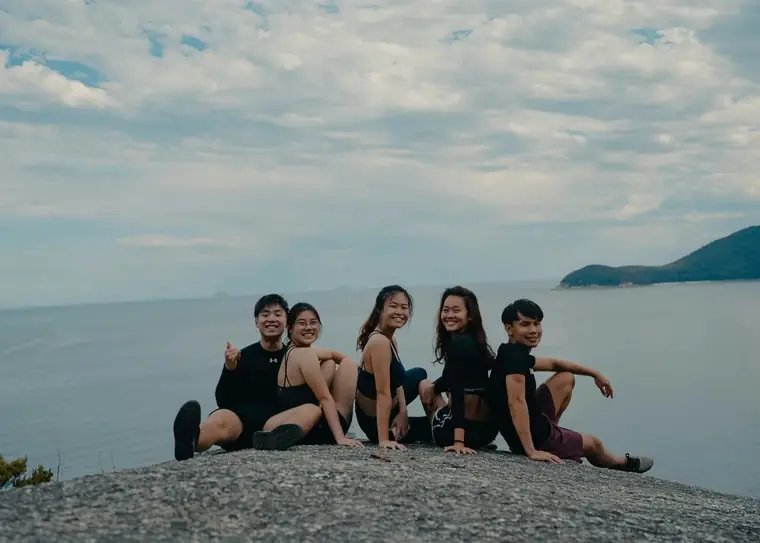
The peer cohort itself becomes a lasting support network. Ten days of shared processing, shared discovery, and shared vulnerability turns a group of strangers into a community that keeps showing up for each other long after the trip ends.
This starts with people who believe it matters.
We're building something that doesn't exist yet, and we're building it early enough that the people who join now will help shape what it becomes.